- The opposite of here80.1°C colderVostok, Antarctica is at −70.4°C at this same moment.Go to Vostok →
Our synoptic decoder reads air temperature only, so this station reports no dew point, wind or pressure here.
The record book, month by month
The highest and lowest here · with the day it happenedWe hold a record for one month here so far, September. The rest of the year fills in as this station reports through it.
- 1
At 09:00 it was 9.7°C. By 09:00 it was 9.7°C. The night never stood a chance.
From our dataToday so far at this station, in local time.
New facts every day. Report an error.
Highest we have recorded
9.7°C
- Date
- Wednesday, 30 September 2026
- Time of day
- 09:00 local
- Location
- Jachal, Argentina
- Position
- 30.25°S 68.75°W · 1165 m
The highest this site has recorded here. Source: Our own observations, 1 day.
Lowest we have recorded
9.7°C
- Date
- Wednesday, 30 September 2026
- Time of day
- 09:00 local
- Location
- Jachal, Argentina
- Position
- 30.25°S 68.75°W · 1165 m
The lowest this site has recorded here. Source: Our own observations, 1 day.
By month, from our own record
| Month | High | Low | Mean | Days | Readings |
|---|---|---|---|---|---|
| September 2026 | 9.7°C | 9.7°C | - | 1 | 1 |
Highest and lowest we have recorded here
Highest
9.7°C
Wed 30 Sep 2026 at 09:00 local
Lowest
9.7°C
Wed 30 Sep 2026 at 09:00 local
These are not official records. They are the highest and lowest readings this site has stored for Jachal since September 2026, across 1 day we hold a reading for. Official climatological records are adjudicated by national meteorological services and by the WMO.
Jachal (SAMJ) is a SYNOP weather station in Argentina, 1,165 m above sea level.
We have kept a daily record here for 1 of the 4 days since 30 September 2026, from 1 observation.
Recent temperature history
The same record at three widths, picking up where the last 24 hours above leaves off. Each period is summarised from the grain that suits it, so nothing here is one reading repeated thousands of times into the page.
In summary
Over the last week we have a reading for 1 day here, and every one has been 9.7°C.
Recent days
Typically 1 reading a day.
| Day | High | At | Low | At |
|---|---|---|---|---|
| 2026-09-30 | 9.7°C | 12:00 UTC | 9.7°C | 12:00 UTC |
Nearby, and the opposite
- Nearest stationSan Juan Arpt27.0°C150 km away, today's high
- Warmest nearbyLa Rioja/Capt Vincen29.0°C212 km away
- Coldest nearbyLa Rioja Aero.15.7°C210.1 km away, today's low
- The opposite of hereVostok−70.4°CAntarctica
What we have stored, day by day
We have readings for 1 of the 4 days since we started storing this station on 30 September 2026.
- No readings stored
- Readings stored, count not recorded
Observations stored by HottestAndColdest. A day we were not yet tracking is shown as an empty square, and says nothing about whether the station reported.
Tracking history
Its last day with a reading was Wed 30 Sep 2026.
- First reading stored9.7°C on our first day here
Where this station is
This station lies about 3,400 km south of the equator.
Where Jachal is
z6
30.25°S 68.75°W



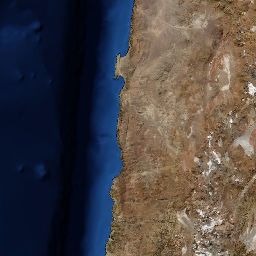

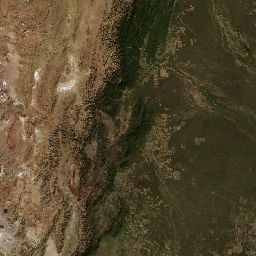






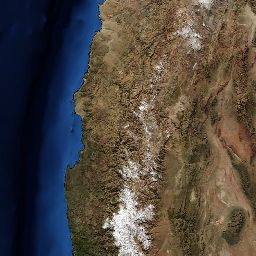

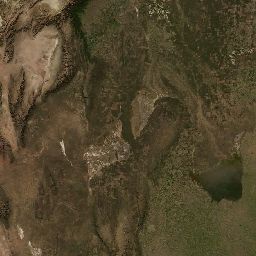

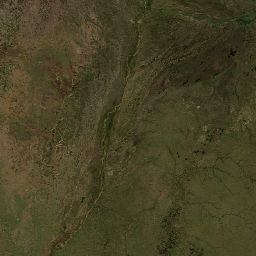





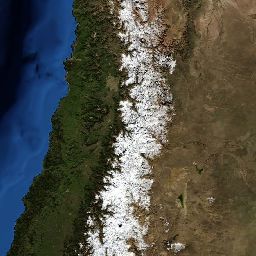

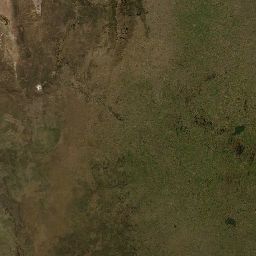

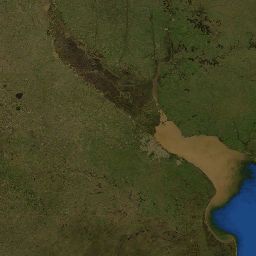

Jachal
Ground · satellite
Land surface temperature for 2026-10-02, from NASA GIBS. This is the temperature of the ground seen from orbit, not the air, and it is never ranked against air readings. Cloud hides the ground, so gaps are unread rather than guessed.
View more on Google Maps30.2500°S, 68.7500°W
Jachal, answered from the data
What is the highest temperature ever recorded in Jachal?
9.7°C (49.5°F) on Wednesday, 30 September 2026. That is the highest this site has recorded at this station. It is not an officially certified record unless a meteorological authority has recognised it.
Our own observations
What is the lowest temperature ever recorded in Jachal?
9.7°C (49.5°F) on Wednesday, 30 September 2026. That is the lowest this site has recorded at this station.
Our own observations
What is the temperature in Jachal right now?
9.7°C (49.5°F), measured at 09:00 local on Wednesday 30 September.
Live reading from the station, after our quality checks
Data sources for this page
Readings here arrive through NOAA WMO SYNOP bulletins. SYNOP is the surface synoptic report that national weather services file to the WMO, typically at the main hours of 00, 06, 12 and 18 UTC and often three hourly between them. It covers places with no airport, which is why the coldest readings on Earth arrive this way.
| Figure | Source | Type |
|---|---|---|
| Latest reading, today so far | NOAA Aviation Weather Center (METAR) and NOAA NWS WMO bulletins (SYNOP) | Measured, station |
| Nearby stations and distances | Computed from station positions in our own database | Calculated |
How these readings are checked
Every reading on this page has passed the checks below. A reading that fails any of them is stored as refused and can never be ranked, shown as a record, or counted in a daily high or low.
12 readings from this station have been refused in the 8 days since readings began being logged against individual stations.
- The reading is recent enough for its network: 12
- 01
Has a real position
A reading with no usable latitude and longitude is discarded. It cannot be ranked, mapped, or compared with its neighbours, and a temperature with no place is not an answer to which place is hottest.
- 02
Position is not a placeholder
Some feeds fill an unknown position with a stand-in value such as 99.99 degrees or an elevation of 9999 m. Those are not coordinates. They are caught separately from a missing position because a station placed at a fake point has no neighbours, so the neighbour check below can never see anything wrong with it.
- 03
The bulletin itself is current
SYNOP arrives as files that are only re-read when they change. A file that has stopped being updated is set aside whole, before any reading inside it is considered.
- 04
The reading is recent enough for its network
Different networks get different windows, because they report at different rates: 2 hours for METAR, which transmits continuously, and 9 hours for SYNOP, which reports at 00, 06, 12 and 18 UTC. A single rule would have discarded the entire synoptic network, including every station in Antarctica.